The Green Revolution inside the transformation reshaping the industry in 2026
The fashion industry produces 10% of global carbon emissions. It also causes 20% of global wastewater. That alone should make you stop and think. For years, fashion rewarded speed, volume, and profit over the planet. Brands made more clothes, faster than most people could wear them. Now a big change is underway. You can see it in how people shop, talk, and push brands to do better.
Gen Z and millennials are asking harder questions. They want clear answers and real action. They will not settle for empty promises dressed up as sustainability. Brands can no longer hide behind vague “eco-friendly” claims or empty marketing language. If a label says it cares about the planet, it needs to show the proof: standards, certifications, data, and real accountability.
The old playbook is fading fast because people want more than style. They want values that can stand up to a close look. That is good news for you, for workers, and for the future of the industry.
The Wake-Up Call: Why Fashion Had to Change
The crisis behind sustainable fashion is hard to ignore. Every year, the world throws away about 92 million tons of textile waste.At the same time, synthetic fabrics shed microplastics that end up in rivers and oceans. Toxic dyeing and finishing chemicals also pollute waterways and hurt communities. Cheap clothes often come with a hidden cost. Unfair labor practices have long stayed in the shadows of the fast fashion model.
Documentaries like The True Cost and movements like Fashion Revolution helped expose that darker side. They made the environmental impact of the industry feel real, not abstract. They also pushed more people to care about textile waste and supply chain transparency. Regulators are stepping in too, so brands can no longer treat sustainability as optional. The EU’s Corporate Sustainability Due Diligence Directive pushes companies to look at human rights and environmental harm across their operations.
California’s Garment Worker Protection Act has put labor conditions in sharper focus, while proposed Digital Product Passports aim to make product data easier to trace. This is no longer a small conversation for activists or specialists. It is now a business must-do, a consumer expectation, and a basic rule for the future of fashion.
Look at the full picture, and the message is clear: change is overdue, and the industry must catch up.
Eco-Friendly Fabrics: The Building Blocks of Sustainable Fashion
If you want to understand sustainable fashion, start with materials. Fabric choice is the base of everything else.
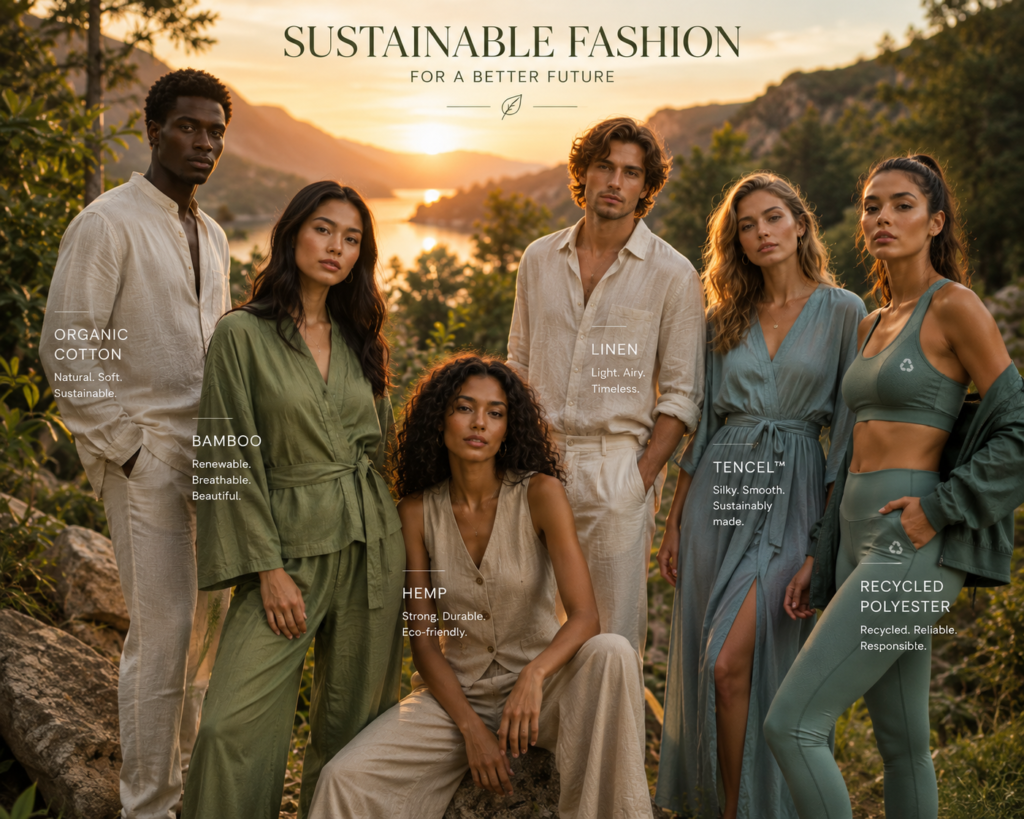
Organic cotton is one of the best-known examples, and for good reason.
- It uses 91% less water and zero pesticides compared to regular cotton.
Brands like Patagonia and Eileen Fisher have used 100% organic cotton to prove cleaner inputs can still deliver quality and style.
Recycled polyester is another major material because
- it saves plastic bottles from oceans and landfills while cutting carbon emissions by 32%.
Adidas fulfilled its commitment to use only recycled polyester by 2024, showing that circular materials are moving from small to mainstream.
Then there is Tencel/Lyocell, made from sustainably harvested wood pulp in a closed-loop process that
- recycles 99% of water and solvents.
That matters because it cuts waste before a garment even reaches a hanger. New materials are also opening up fresh options.
Piñatex, made from pineapple leaf fiber, has been used by Hugo Boss as
- a leather alternative with a lighter footprint.
Mylo, a mushroom-based leather, has been explored by Stella McCartney and Adidas for
- next-generation footwear and accessories.
Econyl makes new nylon from fishing nets and other waste, turning discarded material into something useful again.
These materials matter because they can cut water use, remove toxic chemicals, and lower the overall carbon footprint of your wardrobe.
They also show that zero-waste thinking can look good and still perform well.
The main point is simple: what your clothes are made of shapes the whole environmental story.
If brands want trust, they need fibers that support ethical production, not just good marketing.
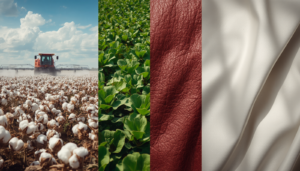
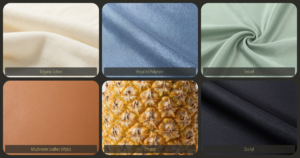
Compliance and Certification: The New Standards Driving Change
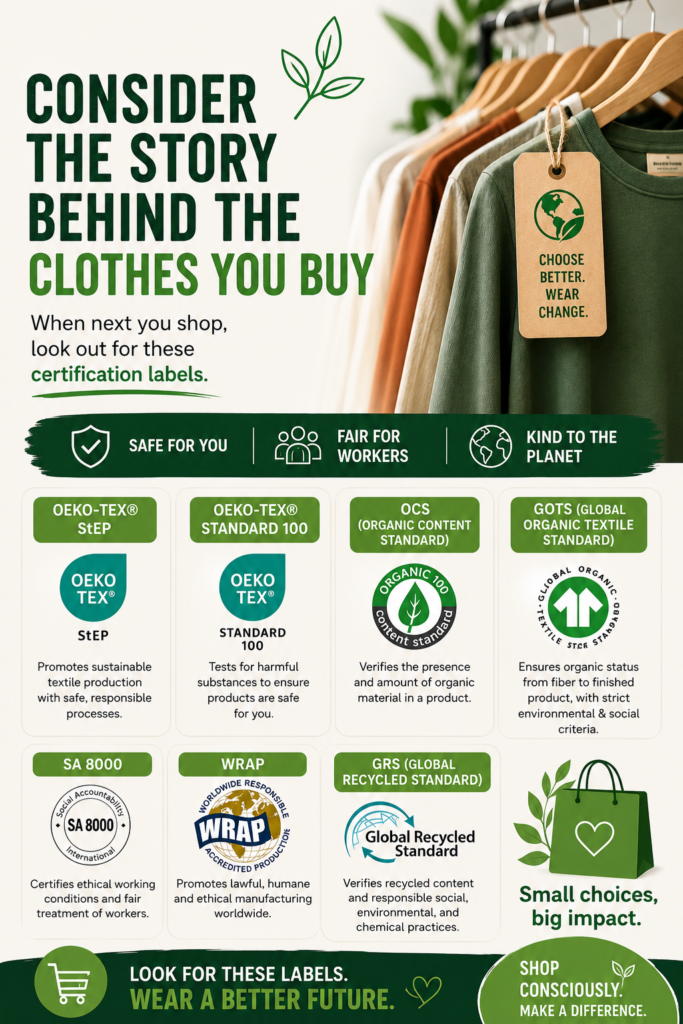
One of the fastest ways to spot real progress is to check for third-party certification. These standards give you real proof that a brand’s claims are more than ads.
GOTS (Global Organic Textile Standard)
- is often seen as the top standard for organic fibers.
- It covers the full supply chain, from harvesting to labeling.
- It also limits toxic chemicals and sets fair labor rules.
That matters just as much as the fabric itself.
OEKO-TEX Standard 100
- tests textiles for harmful substances.
- It helps confirm that the product is safe for human health.
Bluesign
- focuses on chemical control and better use of resources in manufacturing.
- It helps cut pollution before it starts.
Fair Trade Certification
- supports fair wages and safe working conditions for garment workers.
- That is essential for true ethical production.
B Corp Certification goes broader.
- It checks whether a company meets high social and environmental standards.
Brands like Allbirds, Reformation, and Patagonia have used B Corp status to show accountability.
The talk is also shifting toward product level transparency through the European Union’s proposed Digital Product Passport system. That would ask brands to share material content, origin, environmental impact, and repairability more clearly.
Tools like the Higg Index also help measure sustainability performance across the supply chain.
Meanwhile, major retailers such as H&M, Nike, and Zara now publish annual sustainability reports with more data than ever before.
All of this points to a bigger shift: compliance standards are now part of the cost of doing business.
For you as a consumer, that means you can compare brands with more confidence when claims have evidence.